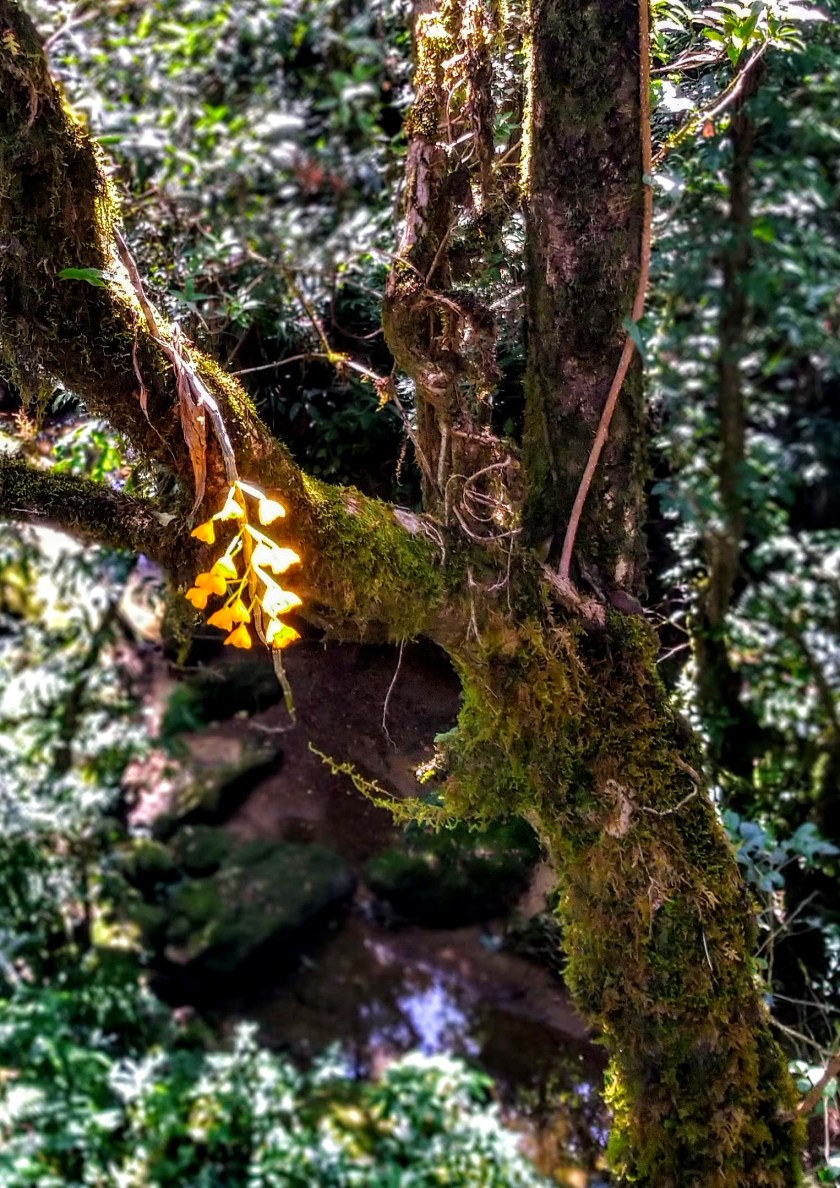
Posted in Nomad's Diary

Saga of Shillong (4.1)

Chapter 4: We became cavemen (Part 1)

It is day 2. We left for Cherrapunji without umbrellas, of course. The weather was clear. My uncle was still wondering if these trees bear the edible cherry fruits or not. My maa and masi were busy in chatting about kinds of stuff like their father, mom’s school etc. Father was busy with the newspaper and I was half asleep and thinking about eating something better than potato chips. The name of our driver was Moon Deka.

He was smiling all the time and he seemed to be amused by my masi. In short, it was a pleasant day. He planned the tour for us. Our first point was to go to Cherrapunji and its waterfalls. Then he would take us to Mawsmai Cave. Then covering the Seven Sister Falls we will visit the eco-park. After covering all the points, he would take us back to Shillong. My father’s only worry was to find a good place for lunch. Moon said, “That’s my responsibility. But we will first take a short break at a nearby viewpoint.” As soon as we stopped, I, the official photographer of my ma prepared my phone.
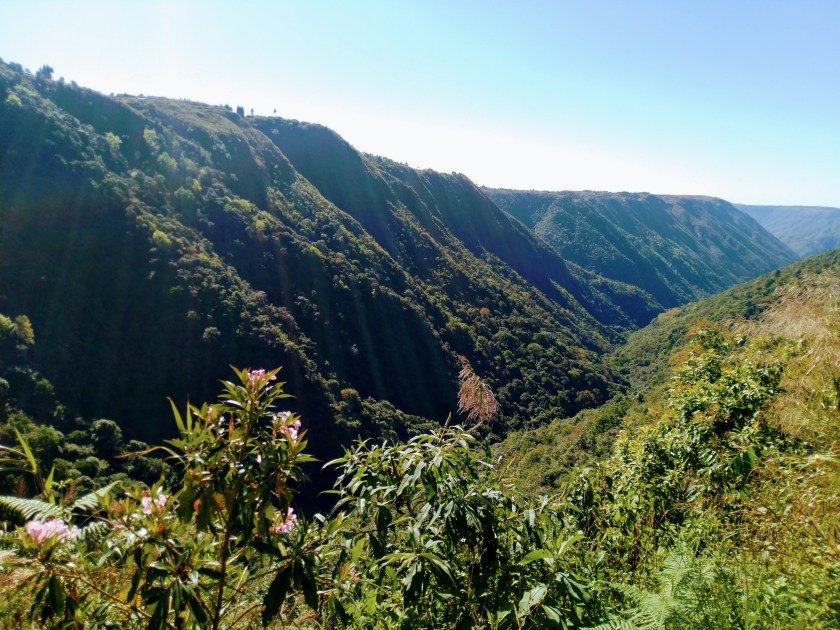
Mawkdok Dympep Valley View Point

It was a beautiful journey. You know, though the whole world knows China invented it and the British made it so popular. But what the world does not know that we Indians are the silent Romeo of this beauty. Yes. Tea. We love tea. Forget coffee, that is for imprudent youngsters. But to us, the Bengalis, tea is next to the Amrit (The divine elixir of immortality). We can debate hour after hour over the cup of tea. Falling in love with each other over the cup of tea is a classic Bengali romantic move. If I ever dare to make a bad tea my parents declares that I am a big rascal. (Which I never deny.) So like thirst vampire at twilight mom said, “Moon, I want some tea, Please take a break.” Suddenly I also felt the same thirst. Thus we took our first break.
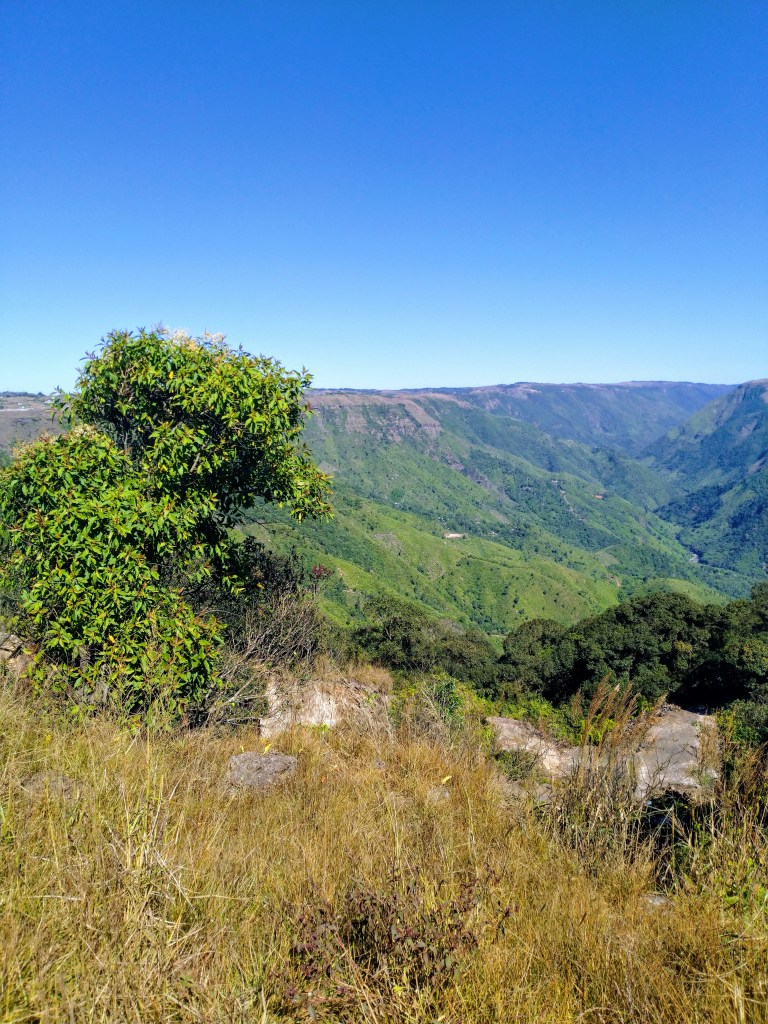
On the way of Garden of Caves

Mawkdok Dympep Valley was that place. Unfortunately, the stall was closed at that time. Moon said, “I am sorry but take some photos if you want.” At that instance, mom posed and said, “Take good photos. I have to post it online.” Damn this social networking.
Soon after we reached the location. So, do you see that small valley between the hills?
Yeah, that’s the spot where we went. When we get off the car, I was quite disappointed. It is in a deserted place. It doesn’t feel like a popular tourist spot. Moon said, “It is a new spot that government has sponsored.”
My masi said, “Again stairs? My knees will not be in their places. Honey, did you forget that I had knee replacement surgery?” I mumbled, “That was 1 and half year ago.” Anyway, Moon gave us sticks to walk on and we set in.

Posted in Scribbled Thought

āĻ•āϞāĻ•āĻžāϤāĻž āĻ­āĻžāϞ⧋ āφāϛ⧋?

āĻĒā§āϰāĻŋ⧟ āĻ•āϞāĻ•āĻžāϤāĻž,
āĻ­āĻžāϞ⧋ āφāϛ⧋? āϜāĻžāύ⧋ āφāϜ āϤ⧋āĻŽāĻžāϕ⧇ āĻŦāĻĄā§āĻĄ āĻŽāύ⧇ āĻĒ⧜āϛ⧇āĨ¤ āĻŽāύ⧇ āĻĒ⧜āϛ⧇, āĻĒā§āϰāĻĨāĻŽ āϝ⧇āĻĻāĻŋāύ āϤ⧋āĻŽāĻžāϰ āĻ•āĻžāϛ⧇ āĻāϞāĻžāĻŽ, āϏ⧇āχ āĻĻāĻŋāύāϟāĻžāĨ¤ āφāĻŽāĻžāϰ āĻŽāύ āĻāϤ⧋āϟ⧁āϕ⧁ āĻ­āĻžāϞ⧋ āϞāĻžāϗ⧇āύāĻŋāĨ¤ āϤ⧋āĻŽāĻžāϰ āĻĒā§āϰāϤāĻŋ āĻāĻ•āϟāĻž āĻŦāĻŋāϤ⧃āĻˇā§āĻŖāĻž āϜāĻ¨ā§āĻŽā§‡āĻ›āĻŋāϞ āĻ…āύ⧇āĻ• āϛ⧋āϟ āĻĨ⧇āϕ⧇āχāĨ¤ āφāϏāϞ⧇ āĻŽāĻĢāσāĻ¸ā§āĻŦāϞ⧇āϰ āĻŽā§‡ā§Ÿā§‡ āϤ⧋, āϭ⧟ āĻ›āĻŋāϞ āϞ⧋āϕ⧇ āϝāĻĻāĻŋ āĻšā§āϝāĻžāρāϟāĻž āĻĻā§‡ā§ŸāĨ¤ āĻŦ⧜ āĻšā§Ÿā§‡āĻ›āĻŋ, āĻĒ⧜āĻžāĻļ⧁āύ⧋ āĻ•āϰāϤ⧇ āϚāϞ⧇ āϗ⧇āĻ›āĻŋ āϭ⧁āĻŦāύ⧇āĻļā§āĻŦāϰ⧇āĨ¤ āϜāĻžāύ⧋, āĻ“āĻ–āĻžāύ⧇āϰ āĻŽāĻžāϟāĻŋāϟāĻž āĻŦ⧇āĻļ āϞāĻžāϞ; āĻ āĻŋāĻ• āĻŽā§‡āĻĻāĻŋāύ⧀āĻĒ⧁āϰ⧇āϰ āĻŽāϤāĨ¤ ā§­ āϟāĻž āĻŦāĻ›āϰ āĻ•āĻžāϟāĻŋā§Ÿā§‡āĻ›āĻŋ āĻ“āĻ–āĻžāύ⧇āĨ¤ āϤ⧋āĻŽāĻžāϰ āĻŽāϤ āĻ…āϤ⧋ āϕ⧋āϞāĻžāĻšāϞ āύ⧇āχāĨ¤ āĻŦ⧇āĻļ āĻ¸ā§āύāĻŋāĻ—ā§āϧ āĻļāĻšāϰāĨ¤ āφāĻŦāĻžāϰ āĻļā§āϰ⧀āĻ•ā§āώ⧇āĻ¤ā§āϰ āĻ•āĻžāϛ⧇ āĻ“āĻ–āĻžāύ āĻĨ⧇āϕ⧇āĨ¤ āϤāĻžāϰāĻĒāϰ āĻœā§€āĻŦāĻŋāĻ•āĻžāϰ āϟāĻžāύ⧇ āϤ⧋āĻŽāĻžāϰ āĻ•āĻžāϛ⧇ āφāϏāĻžāĨ¤

āϜāĻžāύ⧋ āϤāĻŋāϞ⧋āĻ¤ā§āϤāĻŽāĻž, āϏ⧇āχāĻĻāĻŋāύāϟāĻž āϜ⧁āύ āĻŽāĻžāϏ⧇āϰ āĻŽāĻžāĻāĻžāĻŽāĻžāĻāĻŋ āĻŦāĻž āĻļ⧇āώ āĻšāĻŦ⧇āĨ¤ āϖ⧁āĻŦ āĻŦ⧃āĻˇā§āϟāĻŋ āĻĒ⧜āĻ›āĻŋāϞāĨ¤ āφāĻŽāĻŋ āφāĻŽāĻžāϰ āĻĒā§‹āĻ°ā§āϟāĻĢāϞāĻŋāĻ“ āĻšāĻžāϤ⧇ āχāĻ¨ā§āϟāĻžāϰāĻ­āĻŋāω āĻĻāĻŋāϤ⧇ āϝāĻžāĻšā§āĻ›āĻŋāĨ¤ āĻĒāĻžāĻļ⧇ āĻŽāĻž āĻŦāϏ⧇āĨ¤ āύāĻžāĻ—āĻĒāĻžāĻļ⧇āϰ āĻŽāϤ āϏāĻžāϰāĻžāĻœā§€āĻŦāύ āϜ⧜āĻŋā§Ÿā§‡ āϰ⧇āϖ⧇āϛ⧇ āφāĻŽāĻžāϕ⧇āĨ¤ āχāĻ¨ā§āϟāĻžāϰāĻ­āĻŋāω āĻšā§Ÿā§‡ āϗ⧇āϞāĨ¤ āφāĻŽāĻžāϰ āύāϤ⧁āύ āϚāĻžāĻ•āϰāĻŋ āĻĒāĻžāĻ•āĻž āϤāĻ–āύāĨ¤ ā§§ā§Ģ āĻĻāĻŋāύ āĻĒāϰ āĻœā§Ÿā§‡āύāĻŋāĻ‚āĨ¤ āφāĻŽāĻžāϰ āφāĻœā§‹ āĻŽāύ⧇ āφāϛ⧇, āĻĒā§āϰāĻ­āĻŽ āĻŦāϞ⧇āĻ›āĻŋāϞ, ‘āĻĻāĻŋāĻĻāĻŋ āĻ•āĻ‚āĻ—ā§āϰāĻžāϚ⧁āϞ⧇āĻļāύāϏāĨ¤ āĻĢāĻžāϟāĻŋā§Ÿā§‡ āĻĻāĻŋā§Ÿā§‡āĻ› āϤ⧋āĨ¤’ āĻŦāĻŋāĻļā§āĻŦāĻžāϏ āĻ•āϰ āϕ⧋āϞāĻ•āĻžāϤāĻž, āφāĻŽāĻžāϰ āĻāĻ•āϟ⧁āĻ“ āĻ­āĻžāϞ⧋ āϞāĻžāϗ⧇āύāĻŋāĨ¤ āĻ­āĻžāϞ⧋ āϞāĻžāϗ⧇āύāĻŋ āϤ⧋āĻŽāĻžāϰ āĻĒā§āϝāĻžāρāϚāĻžāϞ⧋ āĻĒāϰāĻŋāĻŦ⧇āĻļāĨ¤ āϭ⧟ āĻ›āĻŋāϞ, āĻāĻ–āĻžāύ⧇ āĻŽāĻžāύāĻžāĻŦā§‹ āĻ•āĻŋ āĻ•āϰ⧇? āĻāĻ–āĻžāύ⧇ āϤ⧋ āφāĻŽāĻŋ āĻŦ⧇āĻŽāĻžāύāĻžāύāĨ¤ āϰāĻžāĻ¸ā§āϤāĻžāϘāĻžāĻŸā§‡āϰ āĻ—āĻžā§œāĻŋāĻ˜ā§‹ā§œāĻž āĻŦāĻĄā§āĻĄ āϭ⧟āĻ™ā§āĻ•āϰāĨ¤ āϝāĻžāχ āĻšā§‹āĻ•, āφāĻŽāĻžāϰ āϚāĻžāĻ•āϰāĻŋāĻœā§€āĻŦāύ āĻļ⧁āϰ⧁ āĻšāϞāĨ¤

āĻ“ āĻŦāĻžāĻŦāĻž, āĻ…āĻĢāĻŋāϏ⧇ āĻ—āĻŋā§Ÿā§‡ āĻĻ⧇āĻ–āĻŋ, āφāĻŽāĻŋāϤ⧋ āĻāĻ•āĻĻāĻŽ āĻšāĻ‚āϏ āĻŽāĻ§ā§āϝ⧇ āĻŦāĻ• āϝāĻĨāĻžāĨ¤ āĻŦāĻžāĻ™āĻžāϞāĻŋ āĻšā§Ÿā§‡ āĻĢ⧁āϟāĻŦāϞ āϜāĻžāύāĻŋāύāĻžāĨ¤ āĻŽā§‹āĻšāύāĻŦāĻžāĻ—āĻžāύ āφāϰ āχāĻ¸ā§āϟāĻŦ⧇āĻ™ā§āĻ—āϞ⧇āϰ āϜāĻžāĻ°ā§āϏāĻŋ āϗ⧁āϞāĻŋā§Ÿā§‡ āĻĢ⧇āϞ⧇āĻ›āĻŋāϞāĻžāĻŽ āĻŦāϞ⧇ āϏ⧇āĻ•āĻŋ āĻšāĻžāϏāĻžāĻšāĻžāϏāĻŋ āĻ…āĻĢāĻŋāϏ⧇āĨ¤ āφāĻŽāĻŋ āĻŦāĻžāĻ™āϞāĻž āϏāĻŋāύ⧇āĻŽāĻž āĻĻ⧇āĻ–āĻŋāύāĻŋāĨ¤ āĻŦāĻžāĻ‚āϞāĻž āĻ—āĻžāύ⧇ āϕ⧋āύ⧋ āĻ‰ā§ŽāϏāĻžāĻš āύ⧇āχāĨ¤ āφāĻŽāĻŋ āĻ•āĻĨāĻžā§Ÿ āĻ•āĻĨāĻžā§Ÿ ‘āĻŦāĻžāϞ’ āĻŦāϞāϤ⧇ āĻĒāĻžāϰāĻŋ āύāĻžāĨ¤ āφāĻŽāĻŋ āĻ—āĻžāϞāĻŋāϟāĻž āχāĻ‚āϞāĻŋāĻļ⧇ āĻĻāĻŋāϤāĻžāĻŽāĨ¤ āφāĻŽāĻŋ āϤ⧋ āϕ⧋āϰāĻŋ⧟āĻžāύ āĻĢāĻŋāĻ˛ā§āĻŽā§‡āϰ āĻ­āĻ•ā§āϤāĨ¤ āφāĻŽāĻžāϰ āĻ­āĻžāĻŖā§āĻĄāĻžāϰ⧇ āχāĻ‚āϞāĻŋāĻļ āĻ—āĻžāύ⧇āϰ āϏāĻ‚āĻ—ā§āϰāĻšāĨ¤ āφāĻŽāϰāĻž ‘āϗ⧇āĻŽ āĻ…āĻĢ āĻĨā§āϰ⧋āύāϏ’, ‘āĻŦāĻŋāĻ— āĻŦā§āϝāĻžāĻ‚ āĻĨāĻŋāĻ“āϰāĻŋ’ āĻāϏāĻŦ āĻĻ⧇āĻ–āϤāĻžāĻŽāĨ¤ āĻ¸ā§āĻŦāĻžāĻ­āĻžāĻŦāĻŋāĻ•, āϭ⧁āĻŦāύ⧇āĻļā§āĻŦāϰ⧇āϰ āĻšāĻ¸ā§āĻŸā§‡āϞ⧇ āϏāĻŦ āϚāϞāϤāĨ¤ āφāϰ āĻ—ā§‹āϟāĻž āϏāĻŽā§Ÿāχ āφāĻŽāĻŋ āĻ•āĻžāϟāĻŋā§Ÿā§‡āĻ›āĻŋ āĻŦāĻŋāĻšāĻžāϰāĻŋ āϰ⧁āĻŽāĻŽā§‡āĻŸā§‡āϰ āϏāĻžāĻĨ⧇āĨ¤ āĻŽā§‡ā§Ÿā§‡āϟāĻž āφāϜ āĻ…āύ⧇āĻ• āĻŦ⧜ āϜāĻžā§ŸāĻ—āĻžā§Ÿ āĻĒā§āϰāϤāĻŋāĻˇā§āĻ āĻŋāϤāĨ¤ āĻ…āϏāĻžāϧāĻžāϰāύ āĻ—āĻžāύ āĻ—āĻžāχāϤ āφāϰ āĻšāĻžāϤ⧇āϰ āĻ•āĻžāϜ āϜāĻžāύāϤāĨ¤ āϤāĻžāϰāĻĒāϰ āĻĻ⧇āĻ–āϞāĻžāĻŽ āĻŦāĻžāĻ™ā§āĻ—āĻžāϞāĻŋāϕ⧇ āϏāĻžāϧ⧇ āĻ•āĻžāρāĻ•ā§œāĻžāϰ āϜāĻžāϤ āĻŦāϞ⧇āύāĻžāĨ¤ āφāĻŽāĻžāϰ āĻĒāĻŋāϜāĻŋāϰ āĻŽāĻžāϏāĻŋ āĻļ⧁āϰ⧁āϤ⧇ āĻŦ⧜ āĻŽāĻŋāĻ¸ā§āϟāĻŋ āĻ•āĻĨāĻž āĻŦāϞ⧇āĻ›āĻŋāϞāĨ¤ āĻ•āĻŋāĻ¨ā§āϤ⧁ āĻŦāĻžāĻ¸ā§āϤāĻŦ⧇ āĻŦā§āϝāĻžāĻŦāĻšāĻžāϰ āĻ­āĻžāϞ⧋ āύāĻžāĨ¤ āϤāĻžāϰāĻĒāϰ āĻļ⧁āϰ⧁ āĻšāϞ āφāĻŽāĻžāϰ āĻŽāύ⧇āϰ āĻŽāĻžāύ⧁āώ āĻ–ā§‹āρāϜāĻžāĨ¤ āĻŽā§āĻ ā§‹āĻĢā§‹āύ⧇āϰ āĻĻ⧌āϞāϤ⧇ āĻāĻ• āφāĻļā§āϚāĻ°ā§āϝ āĻĒā§āϰāĻĻā§€āĻĒ āĻĒ⧇āϞāĻžāĻŽāĨ¤ āϤāĻžāϤ⧇ āϰ⧋āϜ āύāϤ⧁āύ āϞ⧋āϕ⧇āϰ āϏāĻ¨ā§āϧāĻžāύ āĻĒāĻžāχāĨ¤ āĻļ⧁āύ⧇āĻ›āĻŋāϞāĻžāĻŽ āϤ⧁āĻŽāĻŋ āĻĒā§āϰ⧇āĻŽā§‡āϰ āĻļāĻšāϰāĨ¤ āϤ⧋āĻŽāĻžāϰ āĻŦā§āϝāĻžāĻĒā§āϤāĻŋāϤ⧇ āĻ›ā§œāĻŋā§Ÿā§‡ āφāϛ⧇ āĻĒā§āϰ⧇āĻŽāĻŋāϕ⧇āϰ āφāϞāĻŋāĻ™ā§āĻ—āύāĨ¤ āϏ⧇āĻ–āĻžāύ⧇āĻ“ āϚāϰāĻŽ āĻ āϕ⧇ āϗ⧇āϞāĻžāĻŽāĨ¤ āĻšāĻžā§Ÿ! āĻĒā§āϰ⧇āĻŽāĻŋāĻ• āĻ•āχ? āϏāĻŦ āϤ⧋ āĻĒ⧁āϰ⧁āώāĨ¤ āϝāĻžāϰāĻž āĻĒā§āϰāϤāĻŋ āĻŽā§āĻšā§‚āĻ°ā§āϤ⧇ āϜāϰāĻŋāĻĒ āĻ•āϰ⧇ āĻĻ⧇āĻšāϏ⧌āĻˇā§āĻ āĻŦāĨ¤ āϕ⧇āω āĻŦāĻž āĻļ⧁āϧ⧁ āĻĒā§āϰ⧇āĻŽā§‡āϰ āĻ¸ā§āĻŦāĻĒā§āύ āĻĻ⧇āĻ–āĻžā§ŸāĨ¤ āϜāĻžāύ⧋ āϤāĻŋāϞ⧋āĻ¤ā§āϤāĻŽāĻž, āϤ⧋āĻŽāĻžāϕ⧇ āφāϰāĻ“ āĻ˜ā§‡āĻ¨ā§āύāĻž āĻšāϤāĨ¤

āϤāĻžāϰāĻĒāϰ āĻāĻ•āĻĻāĻŋāύ āĻāĻ•āϟāĻž āĻŽāĻžāύ⧁āώ⧇āϰ āϏāĻžāĻĨ⧇ āφāϞāĻžāĻĒ āĻšāϞāĨ¤ āĻŽāĻžāύ⧁āώāϟāĻžāϕ⧇ āĻŦāĻĄā§āĻĄ āφāĻ¤ā§āĻŽāĻ…āĻšāĻ™ā§āĻ•āĻžāϰāĻŋ āϞ⧇āϗ⧇āĻ›āĻŋāϞāĨ¤ āĻ ā§‹āρāĻŸā§‡ āϏāĻŋāĻ—āĻžāϰ⧇āϟ āφāϰ āϚāĻžā§Ÿā§‡āϰ āĻ…āϏāĻŽā§āĻ­āĻŦ āύ⧇āĻļāĻžāĨ¤ āφāĻŽāĻžāϕ⧇ āĻŦāϞ⧇āĻ›āĻŋāϞ, “āφāĻĒāύāĻŋ āϕ⧋āύāĻĻāĻŋāύ āĻ•āĻĢāĻŋāĻšāĻžāωāϏ⧇ āĻ—āĻŋā§Ÿā§‡āϛ⧇āύ? āĻŦāĻž āĻ…āĻžā§āϜāύ āĻĻāĻ¤ā§āϤ⧇āϰ āĻ—āĻžāύ āĻļ⧁āύ⧇āϛ⧇āύ? āĻĒ⧁āϰ⧋ āύāĻ¸ā§āϟāĻžāϞāϜāĻŋ⧟āĻžāĨ¤” āĻŽāĻžāύ⧁āώāϟāĻž āϤ⧋āĻŽāĻžāϕ⧇ āĻ­āĻžāϞāĻŦāĻžāϏāϤ⧇ āĻļ⧇āĻ–āĻžāϞāĨ¤
āφāĻŽāĻŋ āĻŦāϞāϤāĻžāĻŽ āĻļāĻŦāϰāĻŦāĻžāĻŦ⧁ āφāϰ āφāĻŽāĻžāϕ⧇ āĻŦāϞāϤ⧇āύ āϜāĻ—āĻŦāĻ¨ā§āϧ⧁āĨ¤ āφāĻŽāĻžāϕ⧇ āĻĒā§āϰāĻĨāĻŽāĻŦāĻžāϰ āϕ⧁āĻŽāĻžāϰāϟ⧁āϞ⧀ āύāĻŋā§Ÿā§‡ āϗ⧇āϞ āϏ⧇āĨ¤ āĻ•āĻžāĻļā§€ āĻŽāĻŋāĻ¤ā§āϤāĻŋāϰ⧇āϰ āϘāĻžāϟ āĻĒ⧇āϰāĻŋā§Ÿā§‡ āφāĻŽāϰāĻž āĻšāĻžāρāϟāϤāĻžāĻŽ āφāĻšāĻŋāϰ⧀āĻŸā§‹āϞāĻžāϰ āϘāĻžāĻŸā§‡āϰ āĻĻāĻŋāϕ⧇āĨ¤ āĻ—āĻ™ā§āĻ—āĻžāϰ āϜāϞ⧇ āĻĒāĻž āĻĄā§āĻŦā§‹āϤāĻžāĻŽāĨ¤ āĻšāĻžāĻ“ā§œāĻžāϰ āĻĻāĻŋāĻ• āĻĨ⧇āϕ⧇ āϭ⧇āϏ⧇ āφāϏāϤ⧋ āφāϰāϤāĻŋāϰ āϘāĻŖā§āϟāĻžāϰ āφāĻ“ā§ŸāĻžāϜāĨ¤ āĻļāĻŦāϰāĻŦāĻžāĻŦ⧁ āφāĻŽāĻžāϕ⧇ āύāĻŋā§Ÿā§‡ āϗ⧇āϛ⧇āύ āύāĻ¨ā§āĻĻāύ⧇, āĻĒā§āϰāĻŋāĻ¨ā§āϏ⧇āĻĒ āϘāĻžāĻŸā§‡, āωāĻ¤ā§āϤāϰ āϕ⧋āϞāĻ•āĻžāϤāĻžāϰ āĻ…āϞāĻŋāĻ—āϞāĻŋāϤ⧇āĨ¤ āφāĻŽāĻŋ āĻŽā§āĻ—ā§āϧ āĻšā§Ÿā§‡ āĻĻ⧇āϖ⧇āĻ›āĻŋ āϤ⧋āĻŽāĻžāϰ āϏ⧌āĻ¨ā§āĻĻāĻ°ā§āϝ⧇āĨ¤ āϰāĻŦā§€āĻ¨ā§āĻĻā§āϰ āϏāϰ⧋āĻŦāϰ⧇ āϚāĻž āφāϰ āĻĒāĻžāĻĒ⧜āĻŋ āϚāĻžāϟ āϖ⧇āϤ⧇ āϖ⧇āϤ⧇ āϤāĻ°ā§āĻ• āĻ•āϰ⧇āĻ›āĻŋ āĻ•āϤāĨ¤ āφāĻœā§‹ āϭ⧁āϞāĻŋāύāĻŋ āĻŦāĻžāĻ—āĻŦāĻžāϜāĻžāϰ⧇āϰ āĻ›āĻžāύāĻžāϰ āĻĄāĻžāϞāύāĻž; āĻ•āĻŋ āϕ⧇āĻŦāĻŋāύ⧇āϰ āĻ…āϏāĻžāϧāĻžāϰāύ āϭ⧇āϟāĻ•āĻŋ āĻĢā§āϰāĻžāχāĨ¤ āφāϜāĻ“ āϭ⧁āϞāĻŋāύāĻŋ āϏ⧇āχ āĻĻāĻŋāύāϟāĻž āϝ⧇āĻĻāĻŋāύ āφāĻŽāĻŋ āφāϰ āωāύāĻŋ āφāĻŦāĻŋāϰāϕ⧇ āĻĻ⧇āĻ–āĻŦā§‹ āĻŦāϞ⧇ āϚāĻž āĻĢ⧇āϞ⧇ āĻĻā§Œā§œā§‡āĻ›āĻŋāϞāĻžāĻŽāĨ¤
āϕ⧋āϞāĻ•āĻžāϤāĻž, āϤāĻžāϰāĻĒāϰ āĻāϞ āφāĻŽāĻžāϰ āφāϰ⧇āĻ• āĻŦāĻ¨ā§āϧ⧁āĨ¤ āϤāĻžāϰ āĻšāĻžāϤ āϧāϰ⧇ āĻĒā§āϰāĻĨāĻŽ āĻĨāĻŋā§Ÿā§‡āϟāĻžāϰ āĻĻ⧇āĻ–āϞāĻžāĻŽāĨ¤ āϝāĻžāĻĻāĻŦāĻĒ⧁āϰ⧇āϰ āĻĢ⧁āϟāĻĒāĻžāĻĨ⧇ āĻŦāϏ⧇ āϚāĻž āφāϰ āĻŽā§‹āĻŽā§‹āĨ¤ āĻĻ⧁āσāϖ⧇āϰ āϏāĻŽā§Ÿā§‡ āφāĻļā§āϰ⧟ āĻĒā§‡ā§Ÿā§‡āĻ›āĻŋ āϤāĻžāϰ āĻ•āĻžāϛ⧇āĨ¤ āĻ•āϤ āĻĻ⧁āĻˇā§āϟ⧁āĻŽāĻŋāϰ āϏāĻžāĻ•ā§āώ⧀ āĻĨ⧇āϕ⧇āĻ› āφāĻŽāĻžāĻĻ⧇āϰāĨ¤ āĻŦ⧁āĻāĻŋāύāĻŋ āĻ•āĻ–āύ āφāĻŽāϰāĻž āĻŽāύ⧇āϰ āĻ•āĻžāĻ›āĻžāĻ•āĻžāĻ›āĻŋ āĻāϏ⧇ āĻĒā§œā§‡āĻ›āĻŋāĨ¤ āĻāĻ•āϟāĻž āύāϤ⧁āύ āϏāĻŽā§āĻĒāĻ°ā§āĻ• āĻāϞ āφāĻŽāĻžāϰ āĻœā§€āĻŦāύ⧇āĨ¤ āĻāχ āĻĒā§āϰāĻĨāĻŽ āĻāĻ•āϟāĻž āĻĻāĻžāĻĻāĻž āĻĒ⧇āϞāĻžāĻŽāĨ¤ āĻāĻ•āϟāĻž āϏāĻ¤ā§āϝāĻŋ āĻĻāĻžāĻĻāĻžāĨ¤ āφāϰ āĻ›āĻŋāϞ āĻŦ⧇āĻšāĻžāϞāĻžā§Ÿ āφāĻŽāĻžāϰ āϏāĻ–āĻžāĨ¤ āϝāĻžāϰ āϏāĻžāĻĨ⧇ āφāĻĄā§āĻĄāĻžā§Ÿ āĻŦāϏāϞ⧇ āĻ•āĻžāϰ⧁āϰ āϏāĻŽā§Ÿā§‡āϰ āφāϰ āϏāĻŋāĻ—āĻžāϰ⧇āĻŸā§‡āϰ āĻšā§āρāĻļ āĻĨāĻžāĻ•āϤ⧋ āύāĻžāĨ¤ āĻ•āĻŋāĻ‚āĻŦāĻž āφāĻŽāĻžāϰ āϏ⧇āχ āĻĢā§‹āĻŸā§‹āĻ—ā§āϰāĻžāĻĢāĻžāϰ āĻŦāĻ¨ā§āϧ⧁; āϝāĻžāϰ āϏāĻžāĻĨ⧇ āĻ•āĻžāĻ āĻ—ā§‹āϞāĻžā§Ÿ āĻĢ⧁āϚāĻ•āĻž āϖ⧇āϤāĻžāĻŽāĨ¤ āϤāĻžāϰ āϏāĻžāĻĨ⧇ āĻĒāĻžāĻ°ā§āϕ⧇āϰ āĻŦ⧇āĻžā§āϚāĻŋāϤ⧇ āĻ•āĻžāϟāĻŋā§Ÿā§‡āĻ›āĻŋ āĻ•āϤ āĻŦāĻŋāϕ⧇āϞ āĻ—āĻ˛ā§āĻĒ āĻ•āϰ⧇āĨ¤

āφāϜ āϤ⧋āĻŽāĻžāϕ⧇ āĻŦāĻĄā§āĻĄ āĻŽāύ⧇ āĻĒ⧜āϛ⧇ āϕ⧋āϞāĻ•āĻžāϤāĻžāĨ¤ āϕ⧇āĻŽāύ āφāϛ⧋? āφāϜ āĻāĻ•āϟāĻž āĻŽāĻžāϰāĻŖ āϰ⧋āϗ⧇ āĻĒ⧃āĻĨāĻŋāĻŦā§€ āϭ⧁āĻ—āϛ⧇āĨ¤ āφāĻŽāĻŋ āφāϜ ⧍ āĻŽāĻžāϏ āĻ—ā§ƒāĻšāĻŦāĻ¨ā§āĻĻā§€āĨ¤ āĻļāĻŦāϰāĻŦāĻžāĻŦ⧁āĻ“ āĻŦāĻ¨ā§āĻĻā§€āĨ¤ āĻļ⧁āϧ⧁ āφāĻŽāĻžāϰ āĻĻāĻžāĻĻāĻžāϟāĻž āĻĻā§Œā§œā§‡ āĻŦā§‡ā§œāĻžāĻšā§āϛ⧇ āϰ⧋āĻ—ā§€āϰ āĻ•āĻžāϛ⧇ āĻ•āĻžāϛ⧇āĨ¤ āϏ⧇āϤ⧋ āĻĄāĻžāĻ•ā§āϤāĻžāϰ, āϤāĻžāϰ āϤ⧋ āĻŦāĻ¨ā§āĻĻāĻŋāĻ¤ā§āĻŦ āύ⧇āχāĨ¤ āĻ“āĻ—ā§‹ āϤāĻŋāϞ⧋āĻ¤ā§āϤāĻŽāĻž, āφāĻŽāĻŋ āφāĻŦāĻžāϰ āφāĻšāĻŋāϰ⧀āĻŸā§‹āϞāĻžāϰ āϘāĻžāĻŸā§‡ āĻŦāϏāϤ⧇ āϚāĻžāχāĨ¤ āφāĻŽāĻŋ āϝāĻžāĻĻāĻŦāĻĒ⧁āϰ⧇āϰ āĻĢ⧁āϟāĻĒāĻžāĻĨ⧇ āϚāĻž āϖ⧇āϤ⧇ āϚāĻžāχāĨ¤ āφāĻŽāĻŋ āϏāĻ˛ā§āϟāϞ⧇āϕ⧇āϰ āϰāĻžāĻ¸ā§āϤāĻžā§Ÿ āĻšāĻžāρāϟāϤ⧇ āϚāĻžāχāĨ¤ āĻĻ⧇āĻ–āϤ⧇ āϚāĻžāχ āĻ“āχāĻ–āĻžāύ⧇āϰ āφāĻŽāĻ—āĻžāĻ›āϗ⧁āϞ⧋āϤ⧇ āϕ⧇āĻŽāύ āφāĻŽ āĻšāϞ? āĻāĻ–āύ āφāϰ āϤ⧁āĻŽāĻŋ āĻĻ⧁āϰ⧂āĻš āωāĻĒāĻ¨ā§āϝāĻžāϏ āύāĻ“ āϕ⧋āϞāĻ•āĻžāϤāĻžāĨ¤ āĻāĻ–āύ āϚāĻŋāύ⧇ āϗ⧇āĻ›āĻŋ āĻŦāĻžāϏāϗ⧁āϞ⧋āĨ¤ āφāĻŽāĻŋ āĻŽāĻŋāϏ āĻ•āϰāĻ›āĻŋ āφāĻŽāĻžāϰ āϰ⧋āĻŦāĻŦāĻžāϰ⧇āϰ āϏāĻ•āĻžāϞ⧇āϰ āĻŽāĻ°ā§āύāĻŋāĻ‚ āĻļā§‹āĨ¤ āĻ•āĻžāϞāĻŋāĻ•āĻžāĻĒ⧁āϰ⧇āϰ āϰāĻžāĻ¸ā§āϤāĻžā§Ÿ āϕ⧇āĻŽāύ āĻĢ⧁āϞ āĻĢ⧁āĻŸā§‡āϛ⧇, āϜāĻžāύāϤ⧇ āĻŽāύ āĻ•āϰāϛ⧇ āĻŦāĻĄā§āĻĄāĨ¤ āφāĻšā§āĻ›āĻž āĻļāĻ™ā§āϕ⧁āĻĻāĻž āĻ•āĻŋ āĻāĻ–āύāĻ“ āĻ…āĻŽāύāĻŋ āĻ—āĻžāĻĸāĻŧ āϚāĻž āĻŦāĻžāύāĻžā§Ÿ? āĻŦāĻĄā§āĻĄ āĻŽāĻŋāϏ āĻ•āϰāĻ›āĻŋ, āĻāϏāĻŋ ā§Šā§­āĻ āĻ•āϰ⧇ āύāĻŋāωāϟāĻžāωāύ āϝāĻžāĻ“ā§ŸāĻžāϟāĻžāĨ¤ āϕ⧋āϞāĻ•āĻžāϤāĻž, āϜāĻžāύāϤ⧇ āĻŽāύ āĻ•āϰāϛ⧇ āĻĒāĻžāĻ°ā§āĻ•āĻ¸ā§āĻŸā§āϰāĻŋāĻŸā§‡, āĻŽā§‡āĻŸā§āϰ⧋ āĻ¸ā§āĻŸā§‡āĻļāύ⧇āϰ āĻ•āĻžāϛ⧇āϰ āĻŽā§āϚāĻŋāϟāĻžāϰ āĻĻāĻŋāύ āϚāϞāϛ⧇ āĻ•āĻŋ āĻ•āϰ⧇ āĻ•āĻŋāĻ‚āĻŦāĻž āĻ—ā§œāĻŋ⧟āĻžāϰ āĻ“āχ āϧ⧋āĻĒāĻžāϟāĻž, āϝ⧇ āϝāĻ¤ā§āύ āĻ•āϰ⧇ āφāĻŽāĻžāϰ āϜāĻžāĻŽāĻž āχāĻ¸ā§āĻ¤ā§āϰāĻŋ āĻ•āϰāϤāĨ¤ āφāĻœā§‹ āϭ⧁āϞāĻŋāύāĻŋ āĻŦ⧃āĻˇā§āϟāĻŋāϤ⧇ āĻ­āĻŋāĻœā§‡ āϝāĻžāĻ“ā§ŸāĻž āϏ⧇āχ āĻĻāĻŋāύāϟāĻž, āĻ“āϰ āϏāĻžāĻĨ⧇ āĻĒā§āϰāĻĨāĻŽ āĻĻ⧇āĻ–āĻžāϰ āĻĻāĻŋāύāĨ¤ āĻ…āϜāĻžāĻ¨ā§āϤ⧇ āĻ“āϕ⧇ āĻ­āĻžāϞāĻŦāĻžāϏāϤ⧇ āĻŦāĻžāϏāϤ⧇, āĻ•āĻ–āύ āϤ⧋āĻŽāĻžāϕ⧇ āĻ­āĻžāϞāĻŦ⧇āϏ⧇ āĻĢ⧇āϞ⧇āĻ›āĻŋ, āĻŦ⧁āĻāϤ⧇ āĻĒāĻžāϰāĻŋāύāĻŋāĨ¤ āφāϜ āϏ⧇ āφāĻŽāĻžāϰ āĻœā§€āĻŦāύ⧇ āĻ…āϤ⧀āϤ āĻ•āĻŋāĻ¨ā§āϤ⧁ āϤ⧁āĻŽāĻŋ āĻŦ⧇āρāϛ⧇ āφāϛ⧋ āĻĒā§āϰāĻŦāϞāĻ­āĻžāĻŦ⧇āĨ¤

āĻ­āĻžāϞ⧋ āĻĨ⧇āϕ⧋ āϕ⧋āϞāĻ•āĻžāϤāĻžāĨ¤ āϤ⧋āĻŽāĻžāϕ⧇ āφāĻŦāĻžāϰ āϜ⧜āĻŋā§Ÿā§‡ āϧāϰāĻŦ āĻĻ⧁āĻšāĻžāϤ⧇āĨ¤ āφāĻŦāĻžāϰ āϘ⧁āϰ⧇ āφāϏāĻŦ āĻ…āύ⧇āĻ• āϜāĻžā§ŸāĻ—āĻžāĨ¤ āϰāĻžāĻ¸ā§āϤāĻž āϭ⧁āϞ⧇ āϗ⧇āϞ⧇ āϚāĻžā§Ÿā§‡āϰ āĻĻā§‹āĻ•āĻžāύ⧇ āĻ āĻŋāĻ•āĻžāύāĻž āĻœā§‡āύ⧇ āύ⧇āĻŦāĨ¤ āĻĻā§Œā§œā§‡ āϧāϰ⧇ āύ⧇āĻŦ āĻŦāĻžāϏāĨ¤ āĻŦāĻžā§œāĻŋ āĻĢ⧇āϰāĻžāϰ āϤāĻžā§œāĻž āĻĨāĻžāĻ•āϞ⧇ āĻŽā§‡āĻŸā§āϰ⧋ āĻ•āĻžāĻ°ā§āĻĄ āϘāώ⧇ āĻĒāĻžāϤāĻžāϞ āĻĢ⧁āĻā§œā§‡ āωāϠ⧇ āφāϏāĻŦāĨ¤ āφāĻŦāĻžāϰ āφāĻŽāĻŋ āϏ⧂āĻ°ā§āϝāĻžāĻ¸ā§āϤ āĻĻ⧇āĻ–āĻŦā§‹ āύ⧌āĻ•āĻžā§Ÿ āĻŦāϏ⧇; āĻšā§ŸāϤ⧋ āύāϤ⧁āύ āĻ•āĻžāϰ⧁āϰ āϏāĻžāĻĨ⧇āĨ¤
āϤāϤāĻĻāĻŋāύ āĻ­āĻžāϞ⧋ āĻĨ⧇āϕ⧋āĨ¤
āχāϤāĻŋ
āϤ⧋āĻŽāĻžāϰ āĻāĻ• āĻĒā§āϰ⧇āĻŽāĻŋāĻ•āĻž

Posted in Scribbled Thought

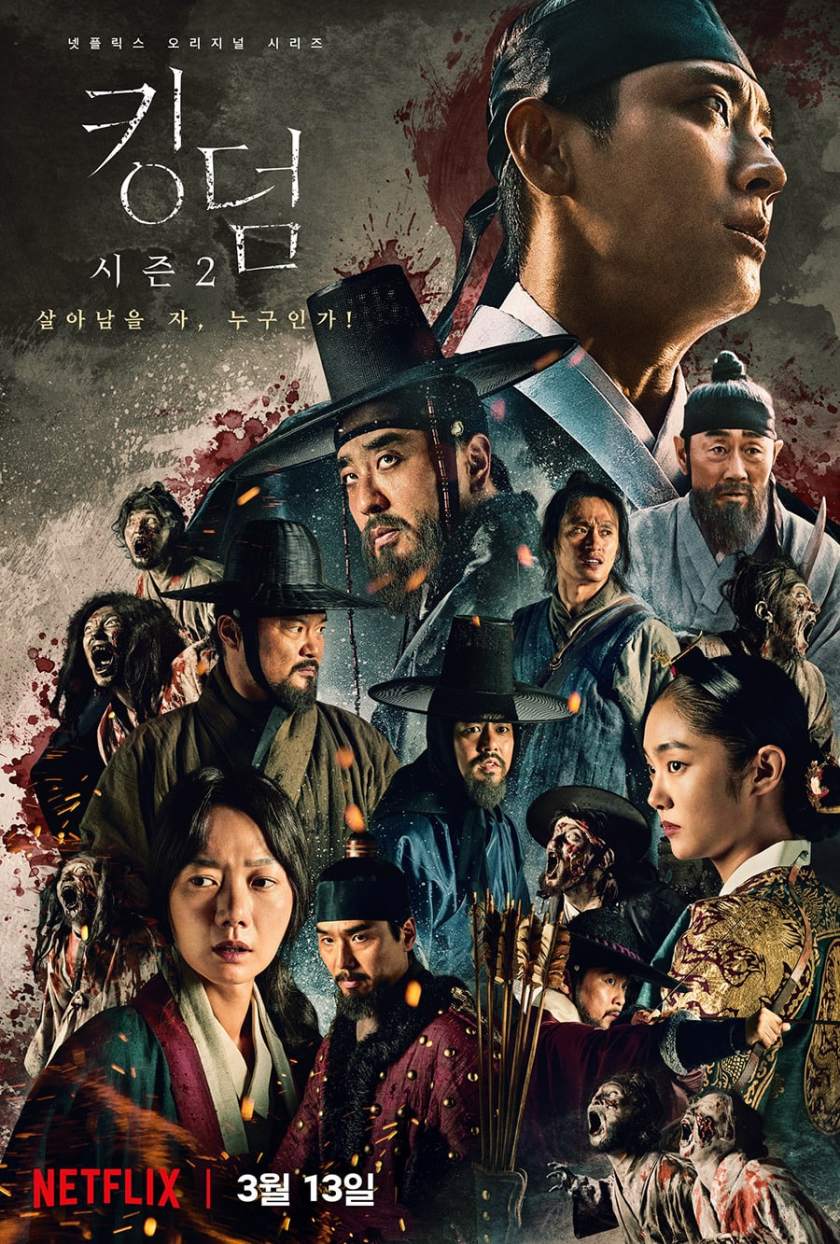
Kingdom : A Masterpiece of Thriller Genre

Since my college days, I have been a great fan of the South Korean film industry. My first drama was ‘Boys Over Flower’. It was the first South Korean drama of every girl I knew in my hostel. And obviously, Lee Min Ho and Kim Hyung Jun were our princes of the dream. As the time flows by many other dramas such as ‘Playful Kiss’, ‘Sunkyungkwang Scandal’, ‘City Hunter’,’Moon Embracing the Sun’, ‘Personal Taste’, ‘Coffee Prince’ etc. became our top choice. I was introduced to movies as well. ‘Millionaire’s First Love’ was the first Korean movie I ever watched. And it made me cry like hell. ‘Innocent Steps’, ‘Miracle in cell no. 7’, ‘Song of Flower’, ‘A Moment to Remember’, ‘The Fortress’ were some notable pieces among what I have watched.

As time was ticking towards 2020, the drama contents became more mature. In the new era dramas. more fierce female characters were introduced. Like in ‘Ruler’, the character called Hwa Gun was a notable badass character. She was not the traditional damsel in distress, rather the saviour of the crown prince. When I first saw the trailer of ‘Kingdom’ on youtube, I was excited. Though my favourite genre is a period drama, I never thought that someone could mix a zombie apocalypse into it. Starring Ryu Seung Ryong and Heo Joon Ho, this drama made me impatient to finally subscribe for Netflix.
(P.S: Torrent is more popular here.) When you are mixing a zombie thriller into a historical drama, you must have a strong storyline to do the justice for the audience. Kingdom didn’t disappoint me.

Story Line

The introduction starts with a ritual where a royal dead body is brought back to life and the series started with a snarling of a beast in the king’s bedchamber; followed by a sudden death of medical personnel. The story revolves around the only son of the king, Lee Chang whose mother was a concubine. He was named as the crown prince. But the current situation in the royal court was mysterious. The king had been sick for a prolonged period and he was not attending the royal assembly. In the palace other than the young queen, her father Cho Hak-Ju and their retinue no one was allowed to meet the king. Out of suspicion, with the help of his bodyguard Mu-Young Lee Chang found out that something is odd about the king’s sickness and set out to a journey to find the doctor who had treated the king. Meanwhile, the attending doctor Lee Sang-Hui returned to his clinic in his town with the dead body of his assistant (mentioned earlier). The town was suffering from terrible famine and various diseases. Out of hunger, the starving people cooked the dead body and eat it up without the doctor’s knowledge. As the sun set, they started to turn into zombies. That night only Seo-Bi (Assistant physician) and Young-Shin were able to survive the attack. But the next day the prince found out the bodies and asked the local magistrate, Bom Pal to investigate the matter. Later Seo-Bi and Young-Shin begged them to burn the bodies while it was daytime but they were ignored. As a result at that night, the whole town was under attack of zombies and only a few survived. Devastated with the situation Lee Chang and the survivors set out for Sangju to take refuge under Lord Ahn Hyeon.

In Sangju Lee Chang was informed that someone in his team was leaking the intel to Cho Hak-Ju and was advised to stay alert by Ahn Hyeon. Meanwhile, Ahn-Hyeon seemed to have information about the zombies and they started to build a barrier against the zombie attack in the night. But to their surprise, the zombies started to attack in the daytime. Unable to control the situation the crown prince decides to go to Cho Hak-Ju to find out the truth accompanied by his team. On that night the people found out about the death and zombification of the king. Though the prince was able to set the king free, he had to pay a heavy price. Under the charge of patricide, Cho Hak Ju arrested him. Before setting out for capital Hak-Ju was attacked by a zombie and was severely injured. With the new support of the officers, present there Lee Chang started his journey to the capital. Meanwhile, all the time Seo Bi was busy in researching the zombification and found the plant responsible for it. While treating Cho Hak Ju she found the fundamentals and stopped him from turning into a zombie. But Hak-Ju kept her by his side. He sensed something wrong with the Queen’s pregnancy. Later the prince arrives at the capital but the queen already had taken power with the help of her newborn son. While asking for the legitimacy of the child, Lee Chang and his group found out that the palace was under attack of a surge of zombies. The second season ends with a huge question for the fate of the kingdom and the mysterious appearance of a woman with many chained zombies under her control.

In My Views

The best part of the characters in this drama is they have different shades of grey. You can’t judge them whether they are completely right or completely wrong. Everyone on this was fighting to survive. The crown prince’s transformation from an ignorant person to a true leader would make you fall in love with him. As for Mu-Yeong, he had his reasons for every action. He was a perfect example of a loyal bodyguard and a responsible husband. Beom Pal was a pitiful character. He shows that how much forced career choice by families can destroy a person. Seo Bi and Young Shin reflect the struggle of common people crushed under the pressure of nobility. The series could have had given Ahn Hyeon’s character a bit more screen time. Though Cho Hak Ju was a villain with class but his daughter was the epitome of ruthlessness. The drama has successfully depicted the curse of class system. Improper distribution of food throughout different classes were shown in a scene where some nobleman wasted few piece of abandoned meat and a poor on-duty guard was thinking about eating that piece. While the people were eating a dead human body, the queen burnt her silk gown just because it soaked few drops of blood.

The series also depicted the contrast of living standard of common people and nobility. While few people are living in a luxury while majority of common people are forced to live in misery. They could be sacrificed at anytime for the sake of kingdom.
As for the casting, everyone is appropriate. Ryu Seung Ryong is a veteran actor. I have seen his many films and series. Whatever characters he has picked so far; be it a gay character, be it a Pansori teacher or a powerful villain he has done the justice. He will manipulate your judgement for the characters for sure. But I would like to mention the name of Kim Hye-Jun (The Queen). I have never seen an actor expressing so much wickedness and ruthlessness by just a cold stare. She will give you chill for sure. The story is not always told on a serious note. It had moments of comic relief too. Specially the moments of Lee Chang and Mu-Yeong were quite funny and warm.
The best part of this drama was its sound effect. Unlike western horror films where the shrill sound effects irritate, the makers had used more subtle low-tone music which will make your heart beat faster out of tension. VFX, costume and cinematography are superb. But the hero of the series is its storyline and plot twist. Even after watching it twice, I could not get enough of it.

P.S:
I highly recommend you to watch this series if you love thriller genre. This series has a perfect introduction to perfect ending of the concept of zombies.
Damn this Netflix. The story could have been wrapped up in two seasons. Was it really necessary to introduce Jun Ji-Hyun’s character without giving us any clue? Now we have to wait for another year amidst this pandemic for another season.